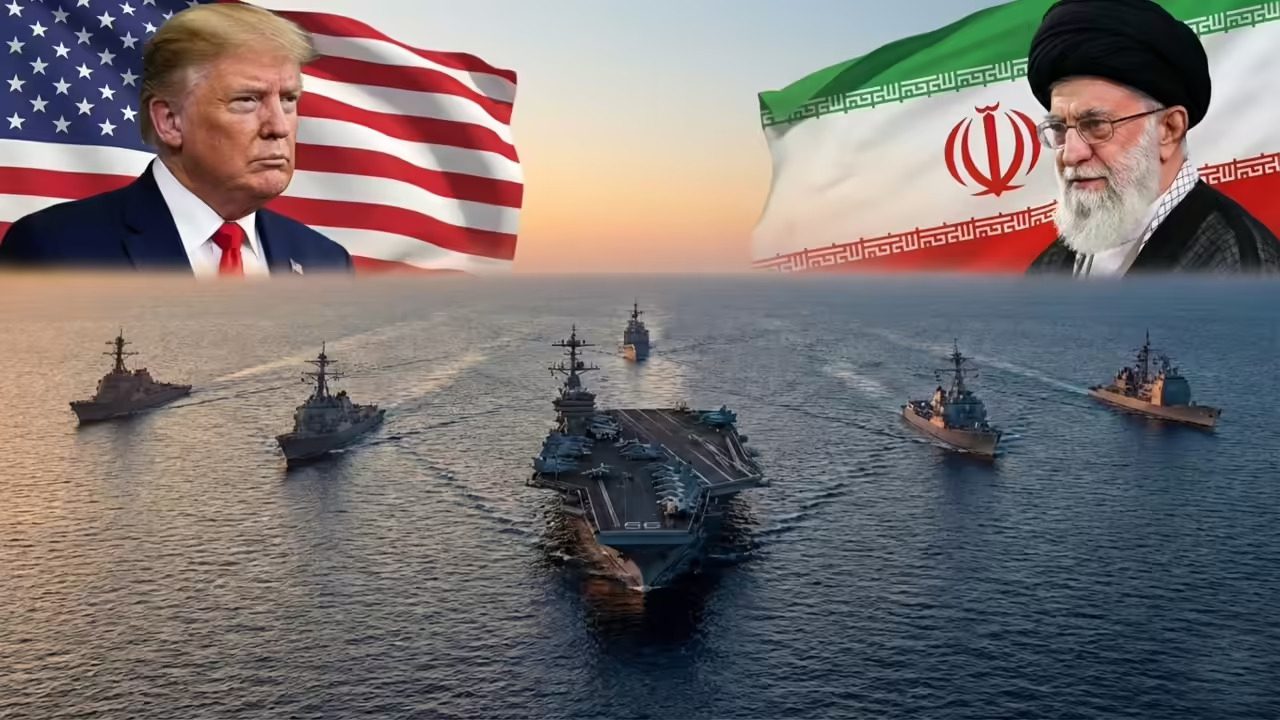
US Aircraft Carrier in the Middle East: Iran–US Tensions
Introduction
The United States has deployed a powerful aircraft carrier strike group to the Middle East at a time when regional tensions with Iran are once again escalating. The move has drawn global attention, raising questions about Washington’s strategic intentions, the risk of military confrontation, and the broader implications for regional and global security.
Aircraft carrier deployments are among the most visible symbols of American military power. When such assets are sent to geopolitically sensitive regions like the Middle East, they are rarely routine. Instead, they serve as deliberate signals — to allies, adversaries, and the international community — that the United States is prepared to defend its interests and respond decisively if necessary.
This article examines why the US aircraft carrier has been sent to the Middle East, what strategic objectives Washington is pursuing, how Iran is likely to respond, and whether the current situation could realistically escalate into a direct military conflict between the two countries.
What Is a US Aircraft Carrier and Why Does It Matter?
A US aircraft carrier is not simply a naval vessel; it is a floating military base capable of projecting power across vast distances. Each carrier strike group typically includes:
-
A nuclear-powered aircraft carrier
-
Dozens of fighter jets and surveillance aircraft
-
Guided missile cruisers and destroyers
-
Advanced radar, missile defense, and electronic warfare systems
-
Thousands of highly trained military personnel
These carriers allow the United States to conduct air operations without relying on foreign bases, making them a crucial tool in regions where access, sovereignty, or political constraints may limit other options.
Because of their size, cost, and strategic value, aircraft carriers are deployed selectively. Their presence is meant to deter adversaries, reassure allies, and give policymakers flexible military options short of full-scale war.
Why the Middle East Remains Strategically Critical
The Middle East continues to occupy a central position in global geopolitics for several reasons:
-
Energy Security
The region holds a significant share of the world’s oil and gas reserves. Key maritime chokepoints, particularly the Strait of Hormuz, are essential for global energy markets. -
Regional Power Rivalries
Tensions among Iran, Israel, Saudi Arabia, and other regional actors frequently shape the security environment. -
US Strategic Commitments
The United States maintains long-standing alliances and security partnerships across the region, including with Israel and Gulf states. -
Global Economic Impact
Instability in the Middle East can disrupt trade, increase energy prices, and affect financial markets worldwide.
Given these factors, even limited military movements in the region can have far-reaching consequences.
Why the US Has Deployed an Aircraft Carrier Now
1. Deterrence Against Iran
One of the primary reasons for the deployment is deterrence. US officials want to send a clear message to Iran that any aggressive action — whether against US forces, allies, or international shipping — would face a strong and immediate response.
Iran’s nuclear program, missile development, and support for armed groups across the region have long been sources of concern in Washington. The aircraft carrier’s presence signals that the United States is closely monitoring Iran’s activities and is prepared to act if red lines are crossed.
2. Reassuring US Allies
US allies in the Middle East, particularly Israel and Gulf states, closely watch developments involving Iran. Periods of heightened tension often prompt concerns about security guarantees and regional stability.
By deploying a carrier strike group, Washington reassures its partners that it remains committed to their defense and to maintaining a balance of power in the region. This reassurance is particularly important during times of uncertainty, when diplomatic negotiations may be stalled or fragile.
3. Protecting Maritime Trade and Navigation
The Strait of Hormuz is one of the world’s most critical maritime passages, with a significant portion of global oil shipments passing through it daily. Iran has previously threatened to disrupt traffic through the strait during periods of confrontation.
A strong US naval presence helps ensure freedom of navigation, discouraging any attempts to interfere with commercial shipping and reducing the risk of supply disruptions that could impact global energy markets.
4. Preventing Escalation Through Strength
While it may seem counterintuitive, military deployments are often intended to prevent war rather than start one. By clearly demonstrating military capability and readiness, the United States aims to discourage miscalculation by showing that escalation would come at a high cost.
The Background of US–Iran Tensions
Relations between the United States and Iran have been strained for decades, shaped by ideological differences, historical grievances, and competing regional ambitions.
Key sources of tension include:
-
Iran’s nuclear program and uranium enrichment activities
-
US-led economic sanctions on Iran
-
Iran’s support for regional armed groups
-
Military incidents involving US forces and Iranian proxies
Although both sides have periodically engaged in diplomacy, mutual distrust remains deep. Each military move is therefore interpreted through a lens of suspicion, increasing the risk of misunderstanding.
How Iran Is Likely to Respond
Iran is unlikely to confront the United States directly. American military superiority, combined with the economic strain Iran already faces from sanctions, makes a full-scale confrontation a high-risk option for Tehran.
Instead, Iran’s response is more likely to involve:
-
Diplomatic messaging and political statements
-
Increased activity by allied regional groups
-
Demonstrations of military readiness within its own territory
-
Strategic signaling aimed at domestic and international audiences
Iran’s leadership generally prefers indirect pressure rather than direct conflict with US forces.
Could the Situation Escalate Into War?
Short Answer: A Full-Scale War Is Unlikely
Despite the dramatic headlines, most analysts agree that a direct, large-scale war between the United States and Iran is improbable in the near term.
Why War Is Unlikely
-
High Costs: Both countries understand that war would be economically and politically devastating.
-
Regional Fallout: A conflict would destabilize the entire Middle East, affecting allies and global markets.
-
Global Pressure: Other major powers would push strongly for de-escalation.
-
Existing Deterrence: The current military balance discourages reckless action.
What Is More Likely
Rather than open war, the more realistic scenario involves:
-
Continued diplomatic standoffs
-
Military posturing and exercises
-
Limited, indirect confrontations
-
Ongoing negotiations behind the scenes
This pattern has characterized US–Iran relations for years and is likely to continue.
Global Implications of Rising Tensions
Even without war, heightened tensions can have serious global consequences:
-
Energy Prices: Oil prices often rise amid uncertainty.
-
Financial Markets: Investors react negatively to geopolitical instability.
-
Shipping Costs: Insurance and freight rates increase in high-risk regions.
-
Political Pressure: Governments worldwide face economic and security concerns.
As a result, the international community closely monitors every development in the region.
The Role of Diplomacy
Despite military movements, diplomacy remains active. Back-channel communications, regional mediators, and international institutions continue efforts to reduce tensions and prevent miscalculation.
History shows that even during periods of confrontation, the United States and Iran have often maintained indirect communication to avoid unintended escalation.
Media Coverage and Public Perception
Media coverage of aircraft carrier deployments often emphasizes the possibility of war, but defense experts caution against oversimplification. Such deployments are standard tools of military signaling and crisis management.
While the situation is serious, it does not necessarily indicate an imminent conflict. Read More: Martindox
