Trump Says Putin Agreed to Halt Attacks on Ukrainian Cities During Extreme Cold Week
Washington, D.C. — January 30, 2026
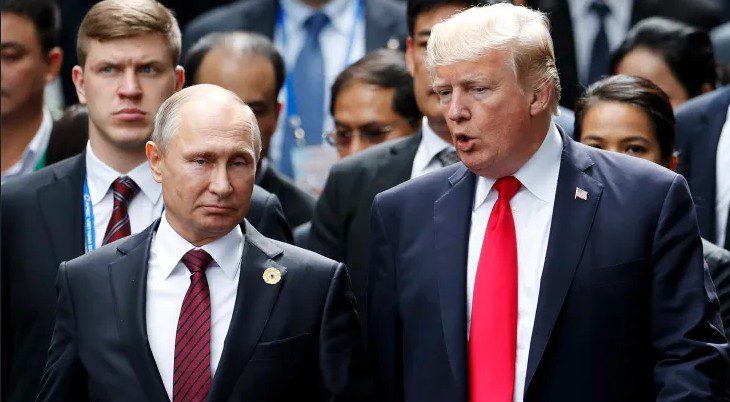
U.S. President Donald Trump announced on Thursday that Russian President Vladimir Putin has agreed to his request to pause attacks on Kyiv and other Ukrainian cities for one week in light of extreme winter weather and humanitarian concerns, a surprising development in the nearly four-year-old Russia-Ukraine war.
Speaking at a Cabinet meeting at the White House, Trump said he personally called Putin and asked that Russian forces refrain from firing on the Ukrainian capital and various towns and cities for a seven-day period as temperatures plunge across the region. “Because of the cold, extreme cold … I personally asked President Putin not to fire on Kyiv and the cities and towns for a week, and he agreed to do that,” Trump said, highlighting the “extraordinary” winter conditions affecting both sides.
Humanitarian Impact of Winter
Ukraine has been enduring what officials describe as one of the harshest winters since the full-scale invasion began in early 2022. Russian strikes on power and heating infrastructure have left hundreds of residential buildings and entire neighborhoods without heat or electricity, compounding the crisis as temperatures are forecast to plummet to as low as −30°C in parts of the country.
Mayor of Kyiv, Vitali Klitschko, noted that hundreds of buildings still lack heating, forcing civilians to seek shelter and warmth amid dangerous cold. While crews work to restore critical services, the pause in attacks could temporarily relieve pressure on cities struggling to maintain power and warmth.
International and Ukrainian Responses
Ukrainian President Volodymyr Zelenskyy welcomed the announcement on social media, calling Trump’s statement an “important step” toward providing security for Kyiv and other cities during the extreme winter period. He underscored that the pause was discussed by negotiators in recent ceasefire talks held in the United Arab Emirates and expressed hope that agreements will be implemented on the ground.
Ukrainian officials have also noted that such de-escalation measures, even short-term ones, could help save lives and create space for more substantive peace negotiations. However, they stressed that any agreement must be verifiable and respected by Moscow.
Russia’s Silence and Skepticism
As of Thursday evening, the Kremlin had not publicly confirmed any agreement to halt attacks on Ukrainian cities, leaving questions about the enforceability of the purported pause. Analysts and Western diplomats noted that Russia’s refraining from firing into cities does not necessarily guarantee an end to strikes on surrounding infrastructure, such as power plants or heating facilities, which have been key targets in recent weeks.
International observers remain cautious, noting that past ceasefires or temporary pauses have often been short-lived or violated. Critics also flagged that Moscow may use any lull to reposition forces or intensify operations elsewhere.
Context of Ongoing Peace Talks
The announcement comes amid renewed diplomatic efforts involving the United States, Ukraine, and Russia to negotiate a lasting ceasefire. Trump has touted progress in talks held in the United Arab Emirates, including potential security guarantees and post-war recovery plans, although fundamental disagreements persist—particularly regarding the future status of Ukraine’s eastern regions.
Despite optimistic statements from U.S. envoys, Russian officials have publicly rejected key parts of proposed peace frameworks, keeping pressure on mediators to find common ground.
Human Toll and Outlook
The war has inflicted immense human suffering. Recent estimates suggest hundreds of thousands of soldiers killed, injured, or missing on both sides, making this conflict one of the deadliest in recent European history. Civilians continue to bear the brunt of hostilities, with power outages, cold weather, and displacement compounding the toll.
Whether the week-long pause in attacks will hold, or whether it represents a meaningful step toward broader peace, remains to be seen. For many Ukrainians, hope for respite is tempered by skepticism—but even a temporary reduction in violence during the coldest time of year could be a small but significant humanitarian relief. Read More: Martindox

Here you are
Great post,Thanks for sharing