How Social Media is Reshaping Democracy in the 21st Century
Introduction
In the digital age, social media has become one of the most powerful tools shaping political landscapes across the globe. Platforms like Facebook, Twitter (now X), YouTube, TikTok, and Instagram have changed how people communicate, access information, and engage with democratic processes. What once required town hall meetings or television coverage now happens instantly through a tweet or viral video. This transformation raises a critical question: Is social media strengthening or weakening democracy?
This article dives deep into how social media is reshaping democracy in the 21st century. We explore its impact on political discourse, election campaigns, public opinion, activism, and the spread of misinformation, offering real-world examples from around the world.
The Democratization of Information
One of the most significant contributions of social media to democracy is the democratization of information. In the past, mainstream media and government-controlled outlets were the primary sources of news. Today, anyone with internet access can share information, report events, and express opinions, often bypassing traditional media gatekeepers.

This shift has given rise to a more participatory political environment. Social media enables citizens to:
- Share alternative viewpoints
- Criticize political leaders
- Organize movements and protests
- Access diverse global perspectives
Example:
During the Arab Spring (2010–2012), platforms like Twitter and Facebook played a pivotal role in mobilizing protests and sharing real-time updates, challenging authoritarian regimes in Tunisia, Egypt, and beyond. The events demonstrated the power of social networks to organize grassroots movements that altered the course of history.
In addition to mass uprisings, social media enables micro-level changes through whistleblower platforms, livestreams of local corruption, and exposing hidden injustices.
Influence on Elections and Political Campaigns
Social media has revolutionized how political campaigns are conducted. Candidates and parties use these platforms for direct voter engagement, fundraising, and spreading their messages quickly and inexpensively. Political advertising, targeted content, and live Q&A sessions have become essential campaign tools.
Benefits:
- Direct engagement with voters
- Cost-effective campaign strategies
- Real-time response to news and opposition
- Increased visibility for smaller or independent candidates
Challenges:
- Microtargeting can manipulate voters
- Bot activity and fake accounts spread propaganda
- Foreign interference in elections (e.g., Russia in the 2016 US elections)
Case Study:
Barack Obama’s 2008 and 2012 presidential campaigns were among the first to fully utilize social media for outreach and mobilization, setting a precedent for digital campaigning worldwide.
Donald Trump’s use of Twitter in the 2016 election further proved the platform’s impact, where bold, direct communication shaped public opinion outside traditional news channels.
Political Discourse and Public Opinion
While social media platforms have opened up public debate, they have also become breeding grounds for polarization and echo chambers. Algorithms often reinforce users’ existing beliefs, limiting exposure to opposing viewpoints and increasing political division.
Key Issues:
- Echo chambers reduce ideological diversity
- Hashtag activism often oversimplifies complex issues
- Online harassment silences dissenting voices
In democratic societies, open discourse is essential. However, the tone and quality of online debates often degrade due to anonymity and lack of accountability.
Public opinion is shaped not only by facts but by viral posts, influencer takes, and memes — creating a blurred line between genuine democratic participation and manipulated consensus.
Rise of Digital Activism
Social media has empowered a new generation of digital activists. Movements like #BlackLivesMatter, #MeToo, and climate change protests have gained global traction through hashtags, viral videos, and online petitions.
Advantages:
- Amplifies marginalized voices
- Enables global solidarity
- Encourages youth political participation
- Mobilizes quickly in response to injustices
Limitations:
- “Clicktivism” or performative activism with minimal real-world impact
- Risk of misinformation undermining causes
- Burnout from constant engagement without systemic change
Digital activism has transformed civic engagement. Online petitions can pressure governments, viral hashtags can influence legislation, and live footage of injustices often sparks global responses.
Spread of Misinformation and Disinformation
Perhaps the most pressing threat to democracy from social media is the rapid spread of misinformation and disinformation. False narratives can influence public perception, sow distrust in democratic institutions, and even incite violence.
Causes:
- Lack of content regulation
- Virality of sensational content
- Deliberate manipulation by political actors
- Algorithmic amplification of misleading posts
Effects:
- Erosion of public trust
- Undermining of fair elections
- Spread of conspiracy theories
- Undue influence on decision-making
Response:
Platforms like Facebook and YouTube have introduced fact-checking and content moderation. However, critics argue that these measures are inconsistent, reactive rather than proactive, and sometimes politically biased.
Social media companies face a difficult challenge: balancing free speech with harm reduction. Transparency in their moderation and algorithmic processes remains limited.
Freedom of Speech vs. Regulation
Balancing freedom of speech with the need for regulation is a core democratic dilemma in the digital age. While open platforms allow for diverse opinions, they also host hate speech, extremist content, and coordinated misinformation campaigns.
Key Questions:
- Who decides what content should be removed?
- Are platform algorithms politically neutral?
- Should governments regulate social media or leave it to tech companies?
- Can we build oversight systems without censoring legitimate dissent?
Different democracies have taken varied approaches. Germany passed the NetzDG law to fine platforms for failing to remove illegal content. Meanwhile, the U.S. remains committed to strong First Amendment protections.
A global standard for digital speech governance remains elusive — and controversial.
Global Perspectives on Social Media and Democracy
United States:
In the United States, social media has played a deeply influential and often controversial role in shaping democratic processes. From presidential elections to grassroots activism, platforms like Twitter (now X), Facebook, Instagram, and YouTube have transformed how political messages are crafted, spread, and consumed.
One of the most dramatic illustrations came with the January 6, 2021 Capitol riot, where rioters used social media to plan, coordinate, and livestream their actions. In the months leading up to the event, false claims about election fraud were allowed to circulate widely on various platforms, fostering mistrust in the electoral system. The incident prompted major tech companies to ban or suspend high-profile political accounts, including then-President Donald Trump, and sparked heated national debates about free speech and platform accountability.
At the same time, social media has been instrumental in amplifying civil rights movements, notably #BlackLivesMatter. Viral videos of police brutality mobilized millions of Americans, especially younger generations, to protest systemic racism and push for policy reforms. These movements demonstrated the power of digital platforms to give voice to marginalized communities and bring critical issues to the forefront of national dialogue.
The U.S. is also a battleground for free speech vs. content moderation. Right-wing politicians and commentators often accuse platforms of silencing conservative voices, while others demand stricter regulation to curb misinformation, hate speech, and online harassment. The lack of a national framework for regulating social media content — due in part to strong First Amendment protections — has led to inconsistent platform policies and legal ambiguity.
Furthermore, the deep entanglement between Silicon Valley and Washington has raised concerns about the tech industry’s influence on policy-making. Despite these tensions, the U.S. continues to lead innovations in digital civic engagement, from online town halls to virtual campaigning, shaping how democracy evolves in the digital age.
India:
India, home to the world’s largest democracy and over 800 million internet users, presents a complex case of how social media is reshaping political dynamics. Platforms like WhatsApp, Facebook, and Twitter (now X) have become essential tools in both formal election campaigning and informal political discourse. While they have democratized access to information and given voice to the masses, they have also contributed to widespread misinformation, polarization, and real-world violence.
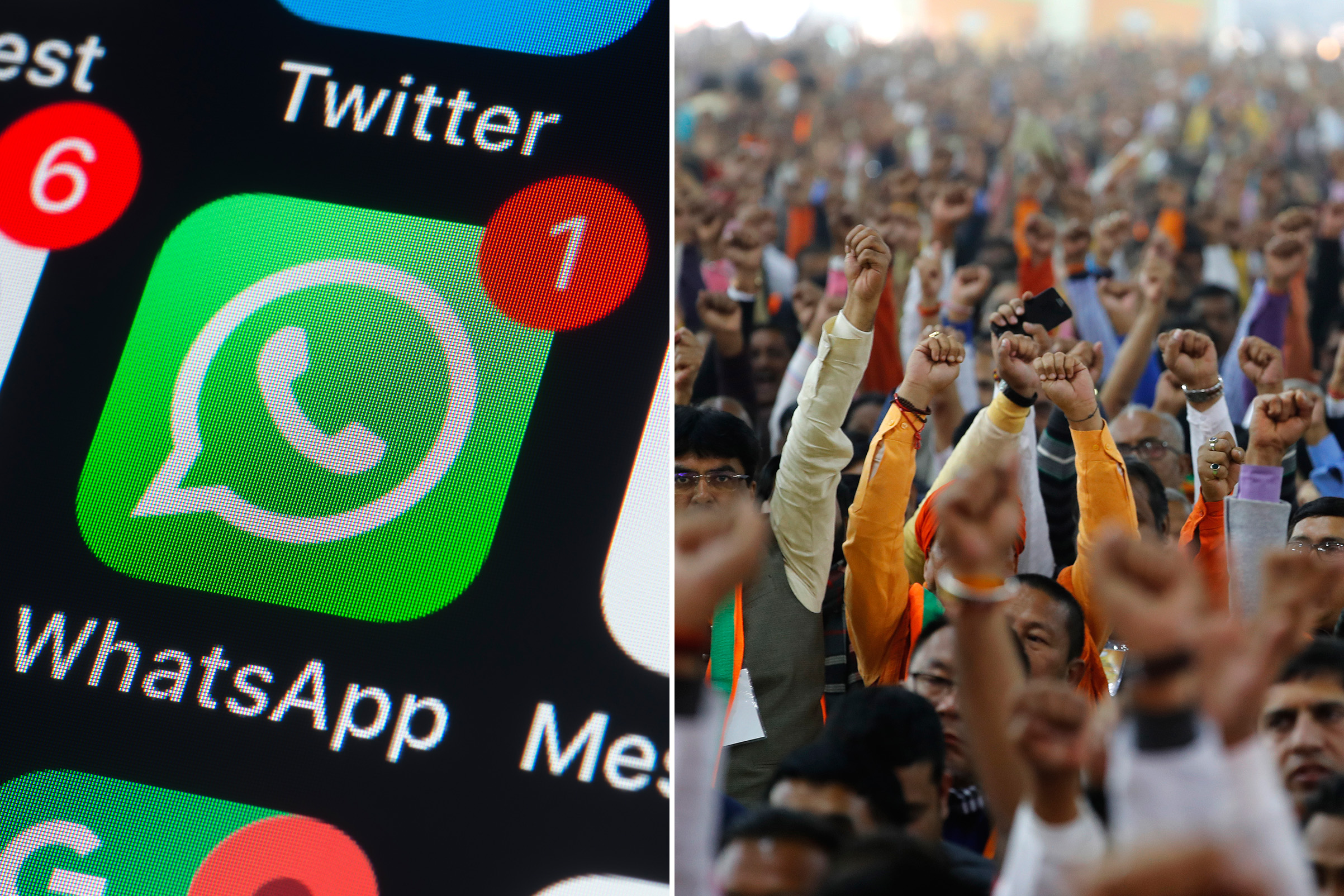
During the 2014 and 2019 general elections, political parties, especially the ruling Bharatiya Janata Party (BJP), effectively leveraged digital platforms to build online communities, promote narratives, and mobilize voters. WhatsApp groups were used extensively for micro-targeted communication, enabling campaigners to reach rural and urban populations alike. These elections marked the rise of “IT Cells” — organized online teams producing memes, videos, and messages to influence public opinion.
However, this digital mobilization has also come at a cost. Fake news and inflammatory content spread via WhatsApp have triggered violent incidents, including mob lynchings based on false rumors about child kidnappings. Despite efforts by the government and platforms to curb such content — including message forwarding limits and fact-checking collaborations — the challenge persists, largely due to the encrypted nature of messaging apps and linguistic diversity.
Social media has also intensified religious and political polarization. Hate speech and communal content often trend on platforms, stoking tensions between different communities. Critics argue that major platforms have sometimes been slow to act on content that violates their own policies, especially when politically sensitive.
Nevertheless, social media in India has also enabled grassroots movements like the #FarmersProtest, where hashtags, videos, and solidarity campaigns spread globally, pressuring the government to respond. The dual nature of social media in India — as both a democratic amplifier and a potential destabilizer — reflects the broader global struggle to harness these platforms responsibly.
Brazil:
Brazil has become one of the most striking examples of how social media can influence democratic processes, sway public opinion, and contribute to political polarization. With over 160 million internet users, social platforms like WhatsApp, Facebook, YouTube, and increasingly TikTok, are deeply embedded in the country’s political culture.
One of the most notable instances of social media’s political impact in Brazil was during the 2018 presidential election, which led to the rise of Jair Bolsonaro. His campaign heavily relied on WhatsApp, utilizing thousands of private group chats to spread messages, memes, and political narratives. Many of these messages blurred the line between persuasion and misinformation, including false claims about rival candidates and fake news stories that targeted traditional media. This microtargeted strategy allowed Bolsonaro’s campaign to bypass mainstream journalism and connect directly with voters, particularly in rural and conservative regions.
The problem escalated when disinformation campaigns continued beyond the election. During the COVID-19 pandemic, social media was used to circulate misleading health information and downplay the severity of the virus. Bolsonaro himself used platforms like Facebook and YouTube to share controversial opinions about vaccines, lockdowns, and medical treatments, often clashing with scientific consensus.
Moreover, environmental misinformation played a significant role during debates around the Amazon rainforest fires, where misleading narratives were used to deflect criticism and stoke nationalism.
These developments have sparked concerns about democratic backsliding in Brazil. Critics argue that unchecked digital propaganda has weakened trust in institutions, emboldened extremist rhetoric, and encouraged hostility toward journalists and opposition voices.
However, social media in Brazil has also empowered activists and citizen journalists. Movements like #EleNão (“Not Him”) against Bolsonaro’s candidacy, and indigenous groups advocating for land rights, have gained momentum online. The Brazilian case underscores the urgent need for stronger digital regulation to protect democratic norms while preserving the empowering aspects of online engagement.
Myanmar:
Myanmar’s experience with social media reveals one of the most alarming examples of how digital platforms can be weaponized against democracy and human rights. With limited access to traditional media and high data costs, Facebook became virtually synonymous with the internet for many people in Myanmar, especially from 2012 onward. It was widely used not only for communication but also as a primary source of news, politics, and public discourse.

This widespread reliance on Facebook made the country uniquely vulnerable to misinformation, hate speech, and coordinated propaganda. In the years leading up to the 2017 Rohingya crisis, extremist Buddhist nationalists used Facebook to spread false claims, incite hatred, and organize attacks against the Muslim minority. Graphic posts, fake images, and dehumanizing language were allowed to spread freely across the platform, stoking ethnic tensions and violence.
The outcome was catastrophic: more than 700,000 Rohingya were forced to flee to Bangladesh amid military crackdowns that the United Nations later labeled as ethnic cleansing and possible genocide. In its investigation, the UN explicitly accused Facebook of playing a “determining role” in facilitating the incitement to violence.
Following global outrage, Facebook removed several military-linked accounts and admitted it had been too slow to act. However, critics pointed out the platform’s lack of local language content moderators and its failure to understand Myanmar’s volatile political landscape. This case highlighted how algorithm-driven engagement, combined with poor oversight, can lead to devastating real-world consequences.
Even after the 2021 military coup, social media remained central to resistance efforts, with protesters using platforms to coordinate civil disobedience and share evidence of abuses. Still, internet shutdowns and digital surveillance by the junta have limited these efforts.
Myanmar’s tragic experience underscores the urgent global need for accountability, localized content moderation, and ethical platform governance to safeguard democracy and human rights in fragile states.
Nigeria:
Nigeria, Africa’s most populous nation and one of its fastest-growing digital markets, offers a compelling case study on the double-edged role of social media in democracy. With over 100 million internet users, platforms like Twitter (now X), Facebook, WhatsApp, and Instagram play a central role in shaping public discourse, mobilizing protests, and engaging youth in political issues.
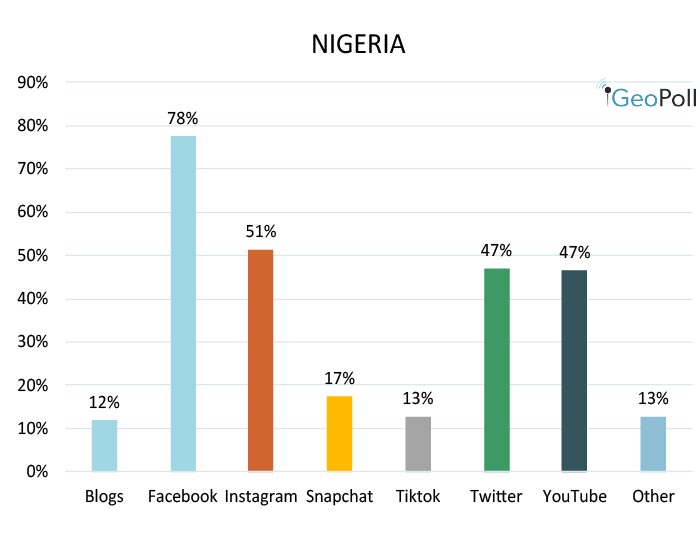
One of the most prominent examples of digital activism in Nigeria is the #EndSARS movement. Sparked in 2020, this grassroots protest against police brutality—specifically the abuses of the Special Anti-Robbery Squad (SARS)—gained massive momentum through social media. Hashtags, viral videos of police violence, and livestreams helped the movement attract global attention. Celebrities, activists, and citizens around the world voiced support, turning a national protest into an international human rights campaign.
Social media not only helped coordinate peaceful protests but also served as a platform for fundraising, documenting abuses, and countering state-controlled narratives. However, the movement also exposed the risks of digital activism in fragile democracies. The Nigerian government responded with internet restrictions, including a temporary Twitter ban in 2021 after the platform deleted a tweet by President Muhammadu Buhari that was seen as inciting violence.
This move raised serious concerns about freedom of expression, censorship, and the abuse of executive power. While officials claimed the ban was about national sovereignty, critics saw it as an attempt to stifle dissent and control digital spaces.
Moreover, Nigeria faces challenges related to misinformation, online fraud (popularly known as “Yahoo Yahoo”), and ethnic or religious incitement, which often go unchecked on social platforms.
Despite these issues, social media remains a powerful force in Nigeria’s democratic development—amplifying youth voices, holding leaders accountable, and building transnational solidarity. However, its future as a tool for democratic empowerment depends on digital rights protections and government transparency.
Opportunities for Strengthening Democracy
Despite the risks, social media holds immense potential to strengthen democratic systems if used responsibly:
Strategies:
- Enhancing civic education and digital literacy in schools
- Promoting transparency and accountability in political ads
- Strengthening whistleblower protection online
- Encouraging inclusive political participation, especially among youth and minorities
Governments and civil societies must collaborate to:
- Demand ethical platform design
- Enforce transparency in algorithms
- Support independent media initiatives
Tech companies, on the other hand, must:
- Invest in moderation without censorship
- Partner with fact-checkers globally
- Share data with researchers to assess social impact
When users, platforms, and governments align, a healthier democratic environment can emerge.
Conclusion
Social media is undeniably reshaping democracy — both positively and negatively. It has democratized information, energized political engagement, and enabled global activism. Yet, it also fuels misinformation, deepens divisions, and challenges traditional democratic norms.
For democracy to thrive in the 21st century, it’s essential to embrace the benefits of social media while actively working to minimize its harms. Citizens, governments, tech companies, and civil society must collaborate to ensure that social media remains a force for democratic progress rather than regression.
The digital town square is here to stay — and how we govern it will define the future of democracy. Read More:Martindox
