U.S. Foreign Policy 2025: Global Strategy or Modern-Day Superpower Control?
Introduction
The foreign policy of the United States is one of the most influential, debated, and polarizing subjects in modern international relations. Whether viewed as a guardian of freedom or an overreaching empire, the U.S. has played a central role in global affairs for over a century. But this raises a fundamental question: Is U.S. foreign policy rooted in strategic responsibility — or is it an instrument of superpower control?
1. The Foundations of U.S. Foreign Policy
The foundations of U.S. foreign policy are deeply rooted in its history, geography, and ideological evolution. In the early years following independence, American leaders—most notably President George Washington—advocated for isolationism, warning against entangling alliances and foreign wars. This stance was understandable for a young nation focused on internal development and wary of becoming embroiled in European conflicts.
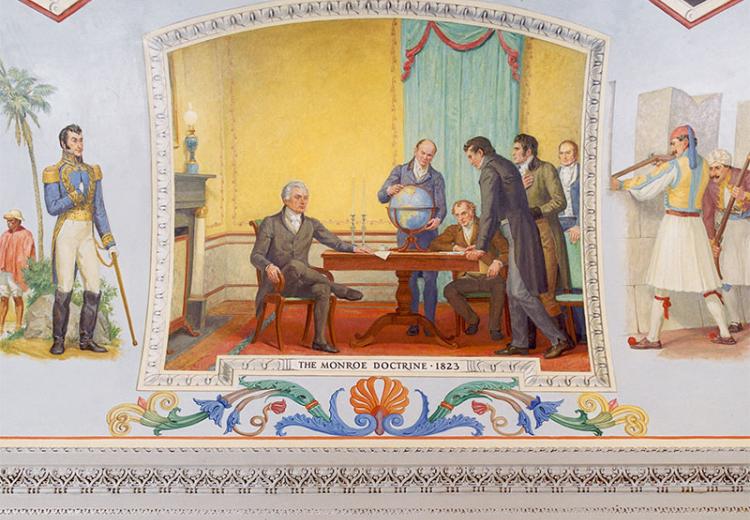
However, the 19th century saw a gradual shift. The Monroe Doctrine (1823) was one of the first major foreign policy doctrines, declaring the Western Hemisphere off-limits to European colonization and interference. While framed as a protective measure, it marked the U.S. asserting regional dominance, laying the groundwork for future interventions in Latin America.
As the U.S. grew economically and militarily, its foreign policy became more assertive. By the late 19th and early 20th centuries, Manifest Destiny and the Spanish-American War (1898) extended American influence beyond its borders. Territories like the Philippines, Guam, and Puerto Rico came under U.S. control, signaling a move toward imperialism.
The real transformation came after World War II, when the U.S. emerged as a global superpower. The shift from isolationism to internationalism was formalized through the creation of institutions like the United Nations, International Monetary Fund (IMF), and World Bank, with the U.S. playing a leading role in shaping a new world order.
From this point on, U.S. foreign policy was guided by a mixture of ideals (promoting democracy, human rights, free markets) and strategic interests (securing resources, containing rivals, maintaining military superiority). These dual motives continue to define its actions on the world stage today.
In essence, the foundation of U.S. foreign policy is a complex blend of pragmatism and principle, shaped by both historical context and a desire to lead—or dominate—on the global stage.
2. Post-War Strategy: Defender or Dominator?
The end of World War II marked the beginning of a new era in global politics — and a dramatic shift in U.S. foreign policy. With much of Europe and Asia devastated, the United States emerged as the world’s dominant military and economic power. But this newfound influence posed a strategic dilemma: Would America act as a defender of peace and liberty, or would it become a dominant force pursuing its own geopolitical interests?

To many, the U.S. took on the role of global protector. Through the Marshall Plan (1948), it poured over $13 billion into rebuilding war-torn European economies. The Truman Doctrine (1947) pledged to support countries resisting communism — a clear signal of America’s intention to lead in the emerging Cold War. Institutions like the United Nations, NATO, and the Bretton Woods system reflected a commitment to multilateralism and global order.
However, critics argue that post-war U.S. strategy also laid the groundwork for global dominance under the guise of defense. In many instances, American intervention was not about democracy or peace, but about containing the Soviet Union, securing resources, or maintaining strategic leverage. The CIA-backed coups in Iran (1953) and Guatemala (1954), for example, were aimed at protecting U.S. business interests and halting leftist movements — not defending freedom.
The contradiction between ideals and interests became increasingly visible in conflicts such as the Korean War, the Vietnam War, and Cold War proxy battles in Latin America, Africa, and Southeast Asia. The U.S. often supported authoritarian regimes that aligned with its policies, even as it claimed to champion democracy.
Ultimately, post-war U.S. foreign policy was a complex mixture of defense and domination — one that expanded American influence, but also sparked enduring debates about imperialism, hypocrisy, and global trust.
3. The Role of Military Power in U.S. Diplomacy
Military power has long been at the core of U.S. diplomacy, serving both as a deterrent and as a means of enforcing foreign policy objectives. While diplomacy traditionally involves negotiation and soft influence, the United States has often paired these efforts with overwhelming military strength to maintain its global leadership.

Following World War II, the U.S. established a permanent peacetime military infrastructure and developed extensive global reach. Today, it operates over 750 military bases in more than 80 countries, giving it the capacity to project power instantly across continents. This military presence is often justified as a way to ensure global stability and protect allies, but it also serves as a constant reminder of American dominance.
From the Vietnam War to the Gulf War, and more recently in Afghanistan and Iraq, the U.S. has used military intervention not only to combat threats but to shape political outcomes in other nations. These actions have sometimes achieved strategic objectives but have also sparked criticism and accusations of imperialism or overreach.
Additionally, U.S. military aid plays a diplomatic role. By providing weapons, training, and logistical support to allies such as Israel, Ukraine, and Taiwan, the U.S. reinforces its alliances and influences regional dynamics without direct intervention.

In essence, military power functions as both a tool of persuasion and a shadow over diplomacy. While it enhances America’s bargaining power, it also raises ethical and strategic questions about the long-term consequences of relying on force in global affairs.
4. Soft Power: Spreading Influence Without Force
While military might has historically played a dominant role in U.S. foreign policy, the United States has also relied heavily on soft power—the ability to influence other nations through attraction, persuasion, and shared values rather than coercion. Coined by political scientist Joseph Nye, soft power is a vital tool in maintaining America’s global leadership, especially in a world increasingly skeptical of direct intervention.
The U.S. exports its values and culture through powerful channels like Hollywood films, music, technology, and education. American universities attract hundreds of thousands of international students every year, fostering connections and goodwill that last for decades. From Harvard to Stanford, U.S. institutions are global hubs for future leaders, scientists, and diplomats.
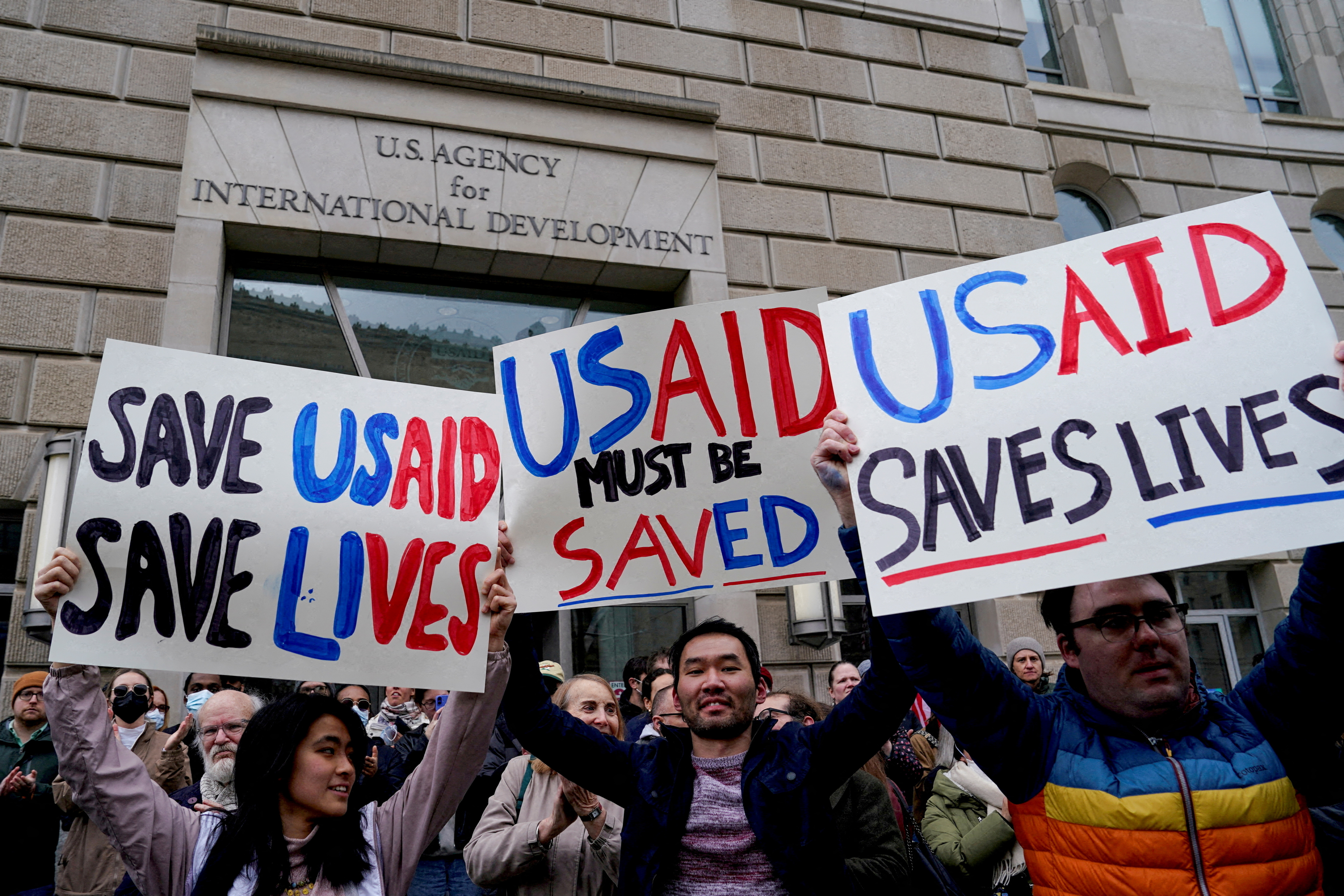
Another pillar of soft power is development aid and humanitarian assistance. The U.S. Agency for International Development (USAID) provides billions in aid annually to countries in need, addressing issues like poverty, health, education, and disaster relief. These programs help stabilize regions and build goodwill, often serving strategic interests without deploying troops.
Public diplomacy also plays a critical role. U.S. embassies host cultural exchanges, language programs, and leadership training through initiatives like Fulbright Scholarships and International Visitor Leadership Programs (IVLP). These programs strengthen America’s image as a nation of opportunity and democracy.

However, the effectiveness of soft power can wane if contradicted by hard-power actions. For example, foreign audiences may question U.S. credibility if democratic ideals are preached while supporting autocratic regimes.
In essence, soft power allows the U.S. to win hearts and minds, project influence subtly, and shape the global narrative in its favor—without relying solely on force. In today’s interconnected world, it remains an essential component of American foreign policy.
5. Foreign Aid and NGOs: Benevolence or Control Mechanism?
Foreign aid and Non-Governmental Organizations (NGOs) are often viewed as symbols of international goodwill and humanitarian commitment. The United States, one of the largest global donors, allocates billions annually through agencies like USAID to support healthcare, education, infrastructure, and disaster relief in developing countries. Alongside government efforts, American NGOs—such as the International Rescue Committee and CARE—deliver critical services that save lives and promote stability.
However, critics argue that foreign aid is not always purely benevolent. In many cases, aid is tied to strategic political interests, such as gaining influence, securing military alliances, or promoting U.S.-friendly regimes. For example, large portions of aid to countries like Egypt, Israel, and Ukraine have both humanitarian and geopolitical motivations. Military aid, in particular, can blur the lines between assistance and strategic leverage.
NGOs, too, have faced skepticism. While many operate independently, some are accused of advancing donor countries’ political or ideological agendas. In regions like Africa and Latin America, certain NGOs have been criticized for undermining local governance, influencing election outcomes, or promoting Western values that may conflict with local cultures.
Furthermore, conditional aid—where financial support depends on specific reforms or policy changes—can raise questions of sovereignty and coercion. Critics argue that such conditions reflect a modern form of control rather than partnership, especially when imposed without genuine dialogue.
That said, foreign aid and NGOs also foster global goodwill, prevent conflict, and reduce poverty. They play a pivotal role in soft diplomacy, often improving America’s image abroad more effectively than military or economic pressure.
In conclusion, U.S. foreign aid and NGO involvement operate in a gray area—balancing genuine humanitarian goals with strategic national interests. Whether viewed as tools of compassion or instruments of control, they remain central to the U.S. foreign policy playbook.
6. Case Study: Iraq War – Liberation or Imperial Overreach?
The 2003 invasion of Iraq remains one of the most controversial moments in modern U.S. foreign policy. Justified by the Bush administration as a mission to eliminate weapons of mass destruction (WMDs) and liberate the Iraqi people from the rule of Saddam Hussein, the war quickly morphed into a complex and prolonged occupation that sparked global debate: was it an act of liberation, or an instance of imperial overreach?
Initially, many Americans and allies viewed the war as a moral imperative—a chance to spread democracy and end tyranny. The fall of Saddam Hussein’s regime was swift, and for some, it symbolized the triumph of freedom over dictatorship. However, the failure to find WMDs, along with the flawed intelligence that led to war, significantly damaged U.S. credibility on the world stage.
The aftermath revealed deeper complications. The dismantling of Iraq’s political and military infrastructure created a power vacuum, igniting sectarian violence and giving rise to extremist groups like ISIS. The human cost was immense—hundreds of thousands of Iraqi civilians died, along with thousands of U.S. and coalition troops. Trillions of dollars were spent, with limited long-term strategic gain.
Critics argue that the Iraq War exemplified imperial overreach, where military power was used to reshape a region without a deep understanding of its social and political fabric. Others contend it was driven by ulterior motives such as controlling oil reserves and expanding U.S. influence in the Middle East.
While Iraq has held elections and developed new institutions, the country’s stability remains fragile. The war’s legacy continues to affect U.S. foreign policy decisions, making it a cautionary tale of what happens when military ambition outpaces diplomatic foresight.
In hindsight, the Iraq War underscores the risks of using force as a tool for transformation, raising fundamental questions about the limits of American power.
7. Emerging Powers and the Shift in Global Order
The global order that has been predominantly shaped by U.S. leadership since the end of World War II is undergoing a profound transformation. The rise of emerging powers—notably China, India, Brazil, and a resurgent Russia—is challenging the unipolar dominance of the United States and reshaping the geopolitical landscape into a more multipolar world.
China is at the forefront of this shift. With its rapid economic growth, military expansion, and ambitious initiatives like the Belt and Road Initiative (BRI), China is asserting itself as a global player and offering an alternative model of development and governance. It is actively expanding its influence in Asia, Africa, Latin America, and even parts of Europe, often through economic diplomacy rather than direct military involvement.
India, too, is becoming a regional powerhouse, leveraging its demographic advantage, technology sector, and strategic partnerships with countries like the U.S., Japan, and Australia (through frameworks like the Quad Alliance). As India’s economic and diplomatic reach grows, it increasingly asserts its voice in global forums.
Meanwhile, Russia continues to play a disruptive role, particularly through energy diplomacy, military interventions, and cyber tactics. Its actions in Ukraine and the Middle East have shown that it remains a key player in shaping regional dynamics and contesting Western influence.
These shifts pose significant challenges to U.S. foreign policy. The traditional tools of military power and diplomatic leverage must now contend with non-Western narratives, alternative alliances, and multipolar institutions like BRICS and the Shanghai Cooperation Organization (SCO).
As emerging powers gain influence, the U.S. faces a critical choice: adapt its strategies to a more balanced global order or risk being perceived as a declining hegemon clinging to outdated models of dominance. The future of U.S. leadership may depend on how effectively it responds to this evolving multipolar reality.
8. Is the U.S. a Global Policeman or a Global Bully?
The United States has long positioned itself as the “global policeman”—a nation that upholds international law, defends democratic values, and intervenes when peace and security are under threat. From peacekeeping missions to humanitarian interventions, U.S. foreign policy has often portrayed military and diplomatic actions as efforts to maintain global order. However, this self-image is increasingly contested. Many critics argue that the U.S. acts not as a protector, but as a “global bully,” prioritizing its interests under the guise of international responsibility.
Supporters of the “global policeman” narrative point to U.S. involvement in halting genocides, combating terrorism, and promoting freedom in authoritarian regimes. Interventions in Kosovo, Afghanistan (2001), and Libya have been framed as moral imperatives to prevent chaos and human suffering. Through NATO leadership and United Nations support, the U.S. often asserts its actions as part of a broader international consensus.
Conversely, critics argue that many U.S. interventions are unilateral, poorly justified, or rooted in economic and geopolitical motivations rather than humanitarian concern. The Iraq War (2003), drone strikes in sovereign countries, and covert regime-change operations have sparked accusations of violating international norms and undermining global trust.
Moreover, the U.S. has faced backlash for applying double standards—promoting democracy in some regions while supporting authoritarian allies in others. Actions like economic sanctions, political interference, and the extraterritorial reach of U.S. laws are viewed by some nations as coercive tactics, not cooperative diplomacy.
The debate is not merely semantic—it reflects how the world perceives American power. Is the U.S. ensuring global security, or imposing its will? The answer often depends on where one stands geopolitically.
Ultimately, the U.S. must confront this growing perception gap if it hopes to lead effectively in an increasingly skeptical and multipolar world.
9. Public Opinion: Americans vs. the World
Public perception plays a crucial role in shaping and responding to foreign policy. When it comes to U.S. global actions, a striking contrast often emerges between how Americans view their country’s role in the world and how the rest of the world perceives it. This divergence affects not only diplomacy but also the effectiveness and credibility of U.S. international engagement.
Many Americans view their country as a force for good—promoting democracy, human rights, and global stability. Surveys frequently show that a majority of Americans believe the U.S. has a responsibility to lead on international issues such as climate change, peacekeeping, and humanitarian aid. They often view military interventions as efforts to protect the innocent or combat global threats like terrorism.
However, global public opinion paints a more complicated picture. According to polls from the Pew Research Center and Gallup, citizens in Europe, Asia, Africa, and Latin America often view U.S. foreign policy with skepticism. In many parts of the world, the U.S. is seen as acting unilaterally, prioritizing its interests, and interfering in other countries’ sovereignty. Incidents like the Iraq War, drone strikes, and support for controversial regimes have damaged America’s moral authority.
Even traditional allies in Western Europe have expressed concern over American leadership, especially when policies shift sharply between administrations. Meanwhile, in countries affected by U.S. military or economic policies, local populations may see American presence as occupational or exploitative, not supportive.
This perception gap highlights a deeper issue: the disconnect between intention and impact. While the U.S. may frame its actions as protective or democratic, the global audience often interprets them differently—sometimes as aggressive or hypocritical.
For U.S. foreign policy to be effective in a globalized era, bridging this opinion divide is essential—not only through policy shifts but through genuine global listening and public diplomacy.
10. The Road Ahead: Rethinking Power in the 21st Century
As the 21st century unfolds, the traditional definitions of power—measured by military strength, economic dominance, and geopolitical influence—are being fundamentally redefined. In an interconnected, rapidly evolving world, the nature of power itself is shifting. The United States, long regarded as the world’s preeminent superpower, faces a new era in which influence is no longer determined solely by force or wealth, but also by diplomacy, technology, culture, and global collaboration.
Emerging powers like China, India, and Brazil are asserting themselves not just through military or economic means, but through strategic investments in infrastructure, education, and digital influence. Multilateral alliances and global institutions are gaining prominence, and countries are increasingly seeking mutual partnerships over unilateral leadership. In this new context, dominance may be less important than relevance and adaptability.
The U.S. must decide how it wants to lead. Will it continue to pursue strategies rooted in superpower control, or will it evolve into a facilitator of international cooperation? Challenges like climate change, pandemics, cybersecurity, and AI regulation demand collective solutions. No single nation—regardless of its power—can solve these crises alone.
Moreover, soft power tools such as education, technology exchange, cultural diplomacy, and ethical leadership may prove more effective than traditional hard power in building long-term influence. Trust, credibility, and collaboration are becoming the new currencies of global leadership.
Ultimately, the future of American foreign policy lies in its ability to rethink power—not as a means of domination, but as a platform for shared progress. The 21st century demands a recalibration of goals, methods, and values. The road ahead is uncertain, but also full of opportunity—for the U.S. to redefine what it means to lead in a complex, multi-nodal world.
🔍 Conclusion: Power or Purpose?
U.S. foreign policy has shaped the modern world — for better or worse. While often rooted in noble ideals, its execution has sometimes leaned toward control, profit, and domination.
The world is watching. Every drone strike, trade deal, and diplomatic move sends a message. Whether that message is one of cooperation or coercion will determine if the U.S. remains a respected leader — or just another empire chasing its own end. Read More: Martindox
