Top 10 Major International Wars and Conflicts of 2025 That Shaped Global Geopolitics
Introduction
The year 2025 was one of the most turbulent in recent history, marked by a dramatic surge in interstate wars and military confrontations. From nuclear-armed neighbors exchanging missiles to border disputes and long-running invasions, these conflicts reshaped global security and challenged international diplomacy. According to global conflict trackers, numerous nations were involved in large-scale hostilities, highlighting why 2025 may go down as one of the deadliest years in recent decades.
In this article, we explore the top 10 major war incidents between countries in 2025, breaking down the causes, key events, international responses, and implications for global stability.
1. India–Pakistan Conflict (May 7–10, 2025)
Overview:
The India–Pakistan conflict of May 2025 represents one of the most serious military escalations between the two nuclear-armed South Asian neighbors in decades. What began as a terrorist attack near Pahalgam in Indian-administered Kashmir on April 22, 2025, quickly spiraled into a four-day conflict that drew global concern and diplomatic intervention.
On April 22, five armed militants opened fire on a group of tourists in the Baisaran Valley near Pahalgam, killing 26 civilians — 25 Indian tourists and one Nepali national — in the deadliest such attack in the region in years. India accused Pakistan-based militant groups of responsibility, asserting links to Lashkar-e-Taiba and its affiliate organizations. Pakistan denied involvement and called for a neutral investigation.
In response, India launched “Operation Sindoor” in the early hours of May 7, 2025, involving airstrikes and missile attacks on nine locations inside Pakistan and Pakistan-administered Kashmir, targeting what New Delhi described as terrorist infrastructure linked to the Pahalgam attack. These strikes marked the first time since 1971 that India conducted targeted air attacks across the internationally recognized boundary into Pakistan.
The Pakistani military condemned the strikes as an “act of war” and reported that it had shot down several Indian aircraft, though New Delhi did not confirm the specific losses. Both sides engaged in cross-border artillery and aerial engagements along the Line of Control (LoC), including missile exchanges and drone operations that heightened the crisis.
The violence raised alarm internationally due to the nuclear capability of both states and the volatile history of their territorial dispute over Kashmir. A ceasefire was announced on May 10, 2025, following intense international diplomatic efforts, particularly involving the United States and other global powers urging restraint.
The conflict underscored how quickly localized attacks can escalate into significant interstate hostilities when long-running territorial disputes and questions of cross-border militancy remain unresolved. It also highlighted evolving military strategies in the region, including the use of precision missiles and drones in contested airspace.

This was one of the most serious military clashes between two nuclear-armed neighbors in decades, raising fears of wider escalation.
2. Israel–Iran War (June 13–24, 2025)
The Israel–Iran War of June 13–24, 2025 was a major military escalation in the broader Middle Eastern crisis, marking one of the most intense direct confrontations between the two nations in decades. Known as the Twelve-Day War, the conflict erupted when Israel launched a surprise military campaign against strategic Iranian nuclear and military targets on June 13, aiming to disrupt Tehran’s nuclear program and degrade Iran’s ability to threaten Israel’s security.
Israel’s initial strikes targeted facilities linked to uranium enrichment, ballistic missile development, and command infrastructure deep inside Iranian territory. Iranian ballistic missile launch sites, air defense positions, and key command hubs were hit as Israeli aircraft and drones penetrated Iranian airspace. The offensive reflected decades of rising tension over Iran’s nuclear ambitions and proxy actions in the region.
In retaliation, Iran launched a large barrage of over 150 ballistic missiles and more than 100 unmanned aerial vehicles (UAVs) toward Israeli cities, military installations, and strategic infrastructure. Tehran’s response included targeting urban centers such as Tel Aviv and Haifa, resulting in civilian casualties and mass evacuations to bomb shelters. Iran’s military claimed its actions were defensive and proportional to Israel’s preemptive strikes.
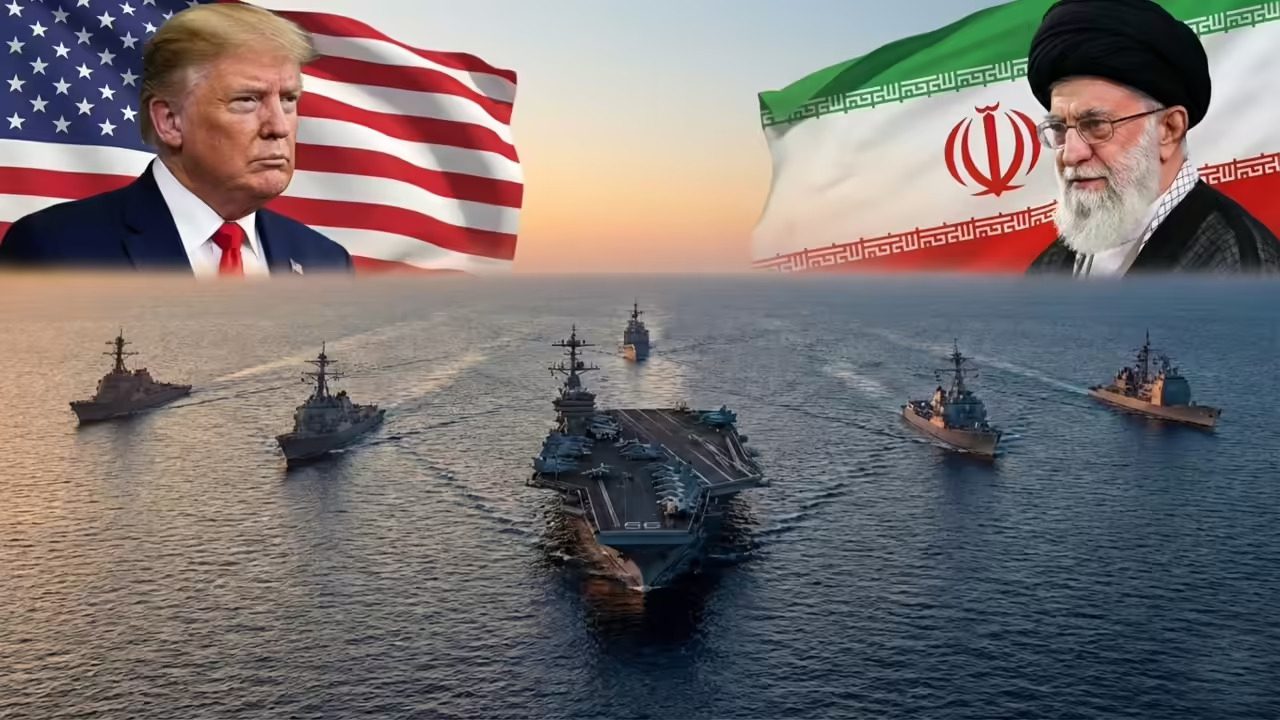
The conflict drew in external powers, particularly the United States, which conducted its own strikes on Iranian nuclear facilities on June 22 to support Israel and deter further escalation. Iran then carried out missile strikes against U.S. forces and regional bases, including a notable attack on an airbase in Qatar shortly before the ceasefire began.
After 12 days of intense exchanges, a fragile ceasefire was brokered on June 24, 2025, under diplomatic pressure from global powers. The war resulted in significant casualties on both sides, widespread infrastructure damage, and heightened fears of a broader regional conflagration. Analysts characterized the conflict as a stark reminder of the volatility of Middle Eastern geopolitics and the dangers posed by unresolved nuclear tensions.
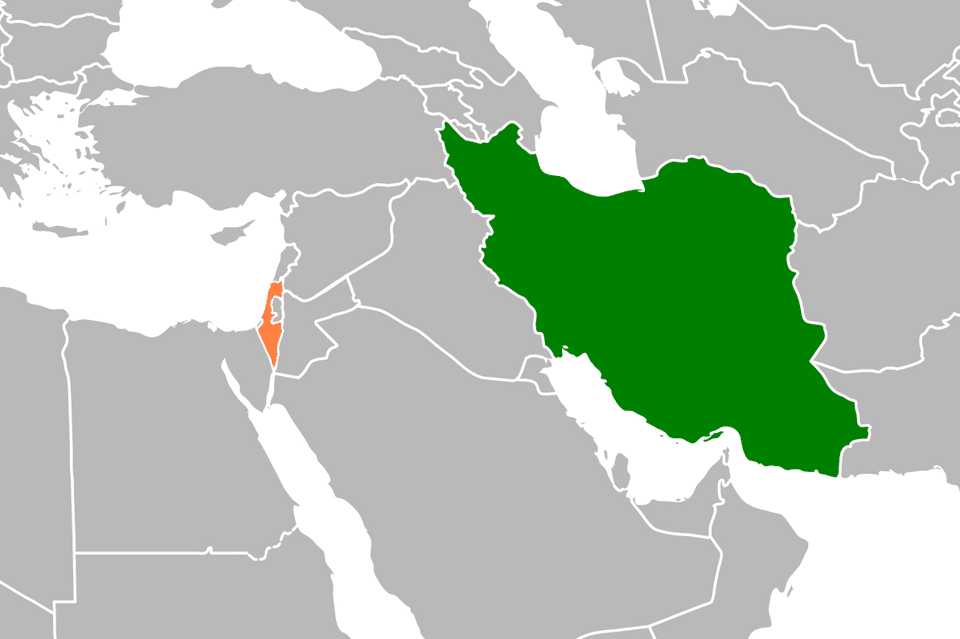
This confrontation was one of the closest the Middle East has come to a broad regional war involving superpowers in years.
3. Russia-Ukrainian War (Ongoing 2025)
The Russo-Ukrainian War, which began with Russia’s large-scale invasion of Ukraine in February 2022, continued unabated throughout 2025, making it one of the longest and most consequential conflicts in recent European history. What started as a rapid advance by Russian forces toward major Ukrainian cities quickly evolved into protracted, grinding warfare across Ukraine’s eastern and southern regions, drawing in extensive international involvement and reshaping global geopolitical dynamics.
By 2025, the conflict remained highly active and dynamic, with both sides engaged in intense offensives and counterattacks. Russia maintained pressure on key eastern fronts — including in Donetsk and Luhansk Oblasts — attempting to consolidate territorial gains and expand a so-called “buffer zone.” Ukraine, meanwhile, mounted defensive operations and counteroffensives in regions like Sumy and Pokrovsk, with battles centered on strategic transport hubs and logistical routes.
The humanitarian cost of the war was staggering. Large swaths of Ukraine’s infrastructure, including residential areas, transportation systems, and energy grids, were repeatedly struck by long-range missiles and drone barrages. Civilians bore a heavy toll as displacement surged, and millions fled to neighboring countries seeking refuge. International organizations characterized the situation as one of Europe’s most severe refugee and displacement crises since World War II.
Global powers continued to respond with economic sanctions on Russia and military support for Ukraine, and peace negotiations were periodically discussed, though with limited tangible progress. The ongoing conflict significantly impacted global markets — particularly energy and grain exports — and shaped diplomatic relations across continents.
This war’s persistence into 2025 highlighted deep geopolitical rifts and underscored how unresolved territorial disputes can evolve into enduring and destructive interstate conflicts with international ramifications.
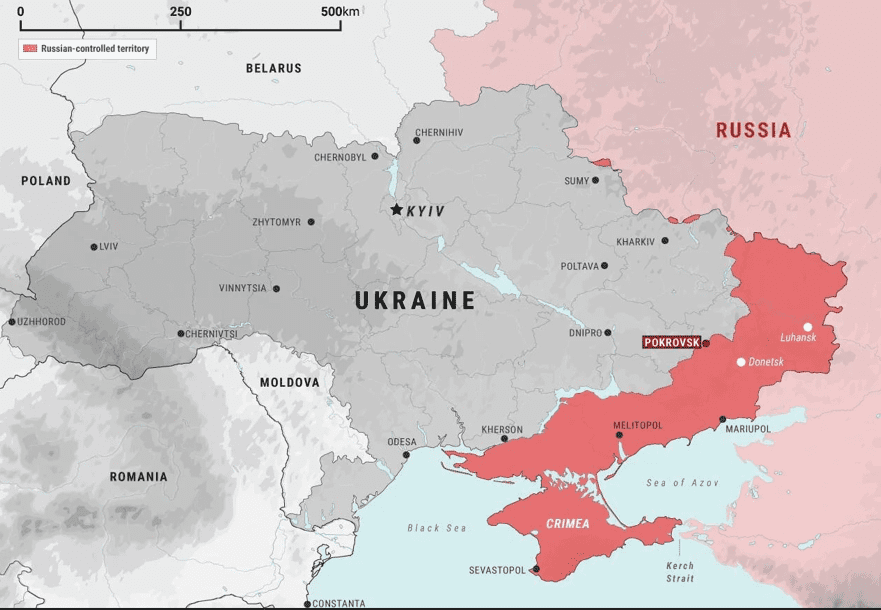
This remains one of Europe’s most consequential wars, shaping security policy across NATO and the EU.
4. Thailand–Cambodia Border War (July 24–28, 2025)
The Thailand–Cambodia border war of July 24–28, 2025 marked a dramatic escalation in a long-running territorial dispute rooted in colonial-era borders and competing claims over sacred cultural sites such as the Preah Vihear Temple.
Tensions had simmered throughout the first half of 2025, following smaller clashes and diplomatic friction stemming from unresolved boundary issues along the 817-kilometer frontier inherited from early-20th-century demarcations. The immediate spark came after a landmine explosion on July 23 that wounded Thai soldiers near the border, which both sides blamed on the other, and was quickly followed by exchanges of artillery fire, rocket strikes, and heavy weapons duels on July 24.
Over the next few days, fighting enveloped multiple flashpoints — including areas near Ta Muen Thom and other contested sites — with both Cambodian and Thai forces deploying artillery, heavy weapons, and military aircraft in some engagements. Civilians on both sides suffered greatly: cross-border shelling hit residential areas, petrol stations, and basic infrastructure, resulting in multiple deaths and injuries. An estimated hundreds of thousands of residents were forced to evacuate border provinces as the violence unfolded.
After five days of intense hostilities, Thailand and Cambodia agreed to an unconditional ceasefire on July 28, 2025, brokered with the help of ASEAN and regional mediators. Though this truce brought an end to the most intense fighting in years, the deeper territorial and diplomatic disagreements between the two neighbors remain unresolved, highlighting the enduring volatility of historic border disputes in Southeast Asia.
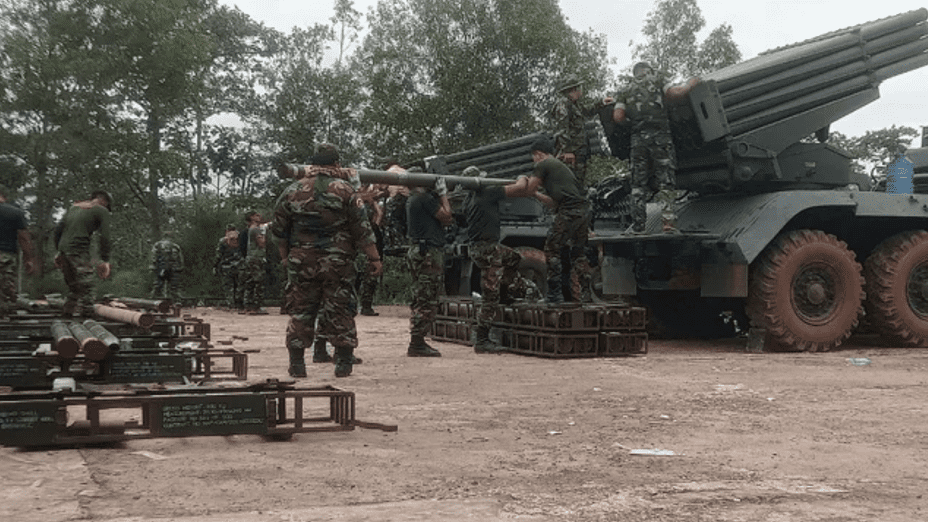
Signaled that longstanding colonial-era boundary disputes can rapidly escalate into modern warfare.
5. Democratic Republic of the Congo–Rwanda Conflict (2025)
The Democratic Republic of the Congo–Rwanda conflict of 2025 was a major escalation of longstanding violence in eastern DRC, driven largely by the March 23 Movement (M23) rebel group and accusations of direct Rwandan backing. The M23 offensive intensified in early 2025, with the group securing control over major eastern cities including Goma and Bukavu, and pushing deep into North and South Kivu provinces.
The conflict’s roots stretch back decades to post-colonial struggles and regional instability, but in January 2025 M23 fighters — reportedly supported by as many as 12,000 Rwandan Defense Forces troops according to some estimates — launched a rapid advance across eastern Congo, capturing strategic urban hubs and amplifying one of Africa’s worst humanitarian crises.
DRC officials condemned Rwanda’s involvement as an act of aggression and severed diplomatic ties amid widespread fighting. The M23 offensive displaced millions of civilians and worsened food insecurity, with entire communities fleeing to neighbouring countries such as Burundi and Uganda.
Multiple ceasefire attempts and peace negotiations, including talks brokered by the United States and Gulf-region intermediaries, offered temporary reprieves but failed to halt the violence permanently. A preliminary peace treaty signed in June 2025 pledged the withdrawal of foreign forces and cessation of hostilities; however, progress lagged and clashes continued throughout the year.
International bodies including the United Nations Security Council repeatedly urged Rwanda to end military support for the rebels, while human rights organizations documented abuses and forced transfers of civilians in territories under M23 control.
The 2025 Congo–Rwanda conflict underscored broader regional tensions, the strategic importance of mineral-rich eastern Congo, and persistent challenges to peace in the Great Lakes region. Its humanitarian toll ranks among the worst in recent African history.
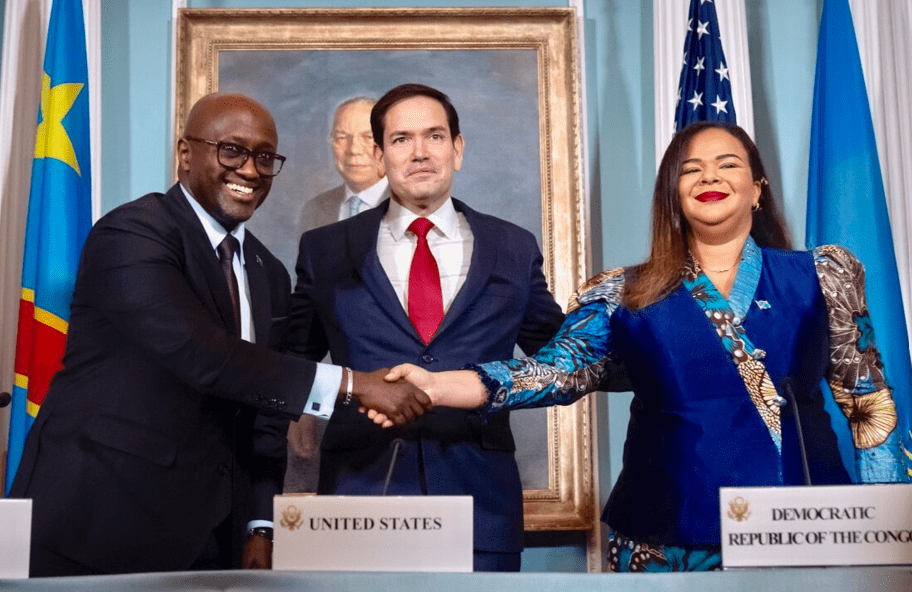
The conflict revived fears of a broader regional war in central Africa and a humanitarian crisis.
6. Yemen vs. Saudi–UAE Crisis (Late 2025)
In late 2025, the ongoing war in Yemen — which has already involved a Saudi-led coalition fighting Houthi rebels since 2015 — took a dramatic turn as tensions escalated between two key outside allies: Saudi Arabia and the United Arab Emirates (UAE). Although both nations had long been part of the coalition backing Yemen’s internationally recognized government against Houthi forces, diverging strategic goals in southern Yemen deepened fractures that threatened to transform the conflict into an interstate crisis.
The catalyst for the Saudi–UAE rift was a Saudi airstrike on the southern Yemeni port city of Mukalla on December 30, 2025, which Riyadh said targeted a weapons shipment allegedly sent by the UAE for separatist forces aligned with the Southern Transitional Council (STC). The UAE denied that the shipment contained weapons, saying its forces were withdrawing and that the materiel was for its own defensive use. The strike underscored widening mistrust between Abu Dhabi and Riyadh despite decades of cooperation.
Following the attack, Saudi-backed anti-Houthi forces declared a state of emergency in the affected regions and severed ties with the UAE presence, demanding that Emirati troops exit the country. The UAE responded by announcing the withdrawal of its remaining forces from Yemen, even as the STC continued to consolidate control over southern provinces, including Hadramaut and Mahra.
The crisis deepened as the Aden International Airport was temporarily shut down, disrupting flights and illustrating how the Gulf powers’ dispute was directly impacting Yemen’s fragile infrastructure and civilian population.The conflict within the conflict has compounded Yemen’s humanitarian disaster, already one of the world’s worst due to years of blockade, economic collapse, and war-related displacement.
This intra-coalition crisis highlights how competing regional interests — particularly Saudi Arabia’s support for a unified Yemen versus the UAE’s backing of southern separatists — can strain even close allies, risk broader regional instability, and complicate peace efforts in a country long ravaged by war.

The conflict tested Gulf alliance cohesion and destabilized the Arabian Peninsula.
7. Afghanistan–Pakistan Escalation (October 2025)
The Afghanistan–Pakistan escalation in October 2025 marked one of the most serious flare-ups in relations between the two neighboring states since the Taliban’s return to power in Kabul in 2021. Although not a full-scale war between governments, the clashes represented a significant interstate security crisis driven by border violence, militant activity, shifting alliances, and diplomatic deadlock.
Tensions along the 2,611 km Durand Line border had long simmered due to insurgent groups operating in the region, most notably the Tehreek-e-Taliban Pakistan (TTP). Pakistan repeatedly accused the Afghan Taliban regime of tolerating or failing to curb TTP sanctuaries on Afghan territory. During 2025, cross-border militant attacks surged, prompting Islamabad to adopt a more assertive stance, including air strikes inside Afghanistan in early October targeting alleged TTP hideouts and convoys — including in areas near Kabul and Kandahar. Pakistan justified these actions as part of its counter-terrorism doctrine aimed at eliminating militant threats that spill into its territory.
In retaliation for Pakistan’s strikes, Afghan forces — aligned with the Taliban government — engaged in heavy clashes with Pakistani military posts along multiple frontier sectors, including Spin Boldak–Chaman, Kurram, and Bajaur–Kunar regions. Heavy machine guns, artillery, and light drones were reportedly used by both sides, leading to dozens of fatalities among military personnel and civilians and the closure of key border crossings such as Torkham and Chaman, disrupting trade and movement.
By October 15, the intensity of the exchanges prompted both countries to agree to a 48-hour ceasefire, reportedly mediated by Qatar, though sporadic fighting was still reported. A broader ceasefire agreement was then reached during negotiations in Doha on October 19, with commitments to further discussions in Istanbul on October 25 aimed at addressing underlying issues such as terrorism and border security.
Despite the ceasefires, diplomatic efforts faltered toward the end of the month. Pakistan announced on October 29 that peace talks had failed to produce substantive progress, with Islamabad insisting that Kabul take “visible and verifiable” measures against cross-border militancy as a precondition for lasting peace.
The escalation underscored deep mistrust between the states, the complexity of dealing with non-state militant actors, and the fragility of security along one of South Asia’s most volatile frontiers. It also highlighted how insurgency, territorial sovereignty disputes, and regional geopolitics can rapidly escalate localized conflict into broader interstate crises.

This cross-border conflict demonstrated how insurgent activity can trigger interstate fighting.
8. Tajikistan–Afghanistan Border Clashes Escalate, Raising Security Concerns for China and Central Asia
Tensions are rapidly intensifying along the Tajikistan–Afghanistan border, as Tajik authorities report a surge in armed cross-border incursions originating from Afghan territory. The recent violence has placed significant strain on Tajikistan’s already fragile relationship with Afghanistan’s Taliban-led government and raised broader concerns about regional stability in Central Asia.
According to officials in Dushanbe and Beijing, more than a dozen people have been killed this month in a series of attacks carried out by individuals Tajik authorities describe as “terrorists.” The violence has included direct clashes with Tajik border forces and has claimed the lives of Chinese nationals working in remote and mountainous areas of Tajikistan, heightening international alarm.
Deadly Clashes in Southern Tajikistan
The latest escalation occurred this week in Shamsiddin Shokhin district, located near Tajikistan’s southern border with Afghanistan. Officials confirmed that at least five people were killed, including three armed infiltrators who crossed into Tajik territory. Tajik security forces engaged the group after tracking them overnight, leading to a deadly exchange of fire.
Authorities stated that the intruders were heavily armed. Weapons recovered at the scene reportedly included M-16 rifles, a Kalashnikov assault rifle, pistols equipped with silencers, hand grenades, explosives, and night-vision equipment, suggesting a high level of organization and preparation.
A Long and Vulnerable Border
Tajikistan shares a 1,340-kilometre (830-mile) border with Afghanistan, much of it running along the Panj River through rugged, sparsely populated terrain. The border is notoriously difficult to secure, making it vulnerable to infiltration by militant groups, smugglers, and criminal networks.
Tajik officials say this was the third deadly incident in the past month linked to armed groups crossing from Afghanistan’s Badakhshan province, resulting in casualties among Tajik security personnel.
Tajikistan Accuses Taliban of Failing Security Commitments
In a strongly worded statement, Tajik authorities accused the Taliban government of failing to uphold its international commitments to prevent militant activity along the border. Officials described the repeated incursions as evidence of “serious irresponsibility” and questioned the Taliban’s ability to maintain security in northern Afghanistan.
Dushanbe formally called on the Taliban to issue an apology and take concrete steps to strengthen border control and prevent further attacks.
Why the Clashes Matter
Although Tajikistan has not publicly identified the exact motives behind the assaults, analysts note that Chinese companies and workers appear to have been deliberately targeted, raising the stakes for Beijing. China has made substantial investments in Tajikistan through infrastructure, mining, and Belt and Road Initiative projects, many of which operate in isolated regions close to the Afghan border.
Experts warn that the growing frequency of these clashes could undermine the Taliban’s credibility, threaten foreign investment, and destabilize an already fragile region. If left unchecked, the violence risks drawing regional powers more deeply into Central Asian security challenges.

9. Israel’s Deadliest Strikes on Gaza and the West Bank (Throughout 2025)
Throughout 2025, Gaza and parts of the West Bank endured one of the most devastating periods in their modern history, as Israel intensified military operations that resulted in widespread civilian suffering, mass displacement, and a deepening humanitarian catastrophe. While Israel maintained that its actions were aimed at security threats, the scale and impact of the strikes overwhelmingly affected ordinary civilians, particularly in Gaza, where more than two million people were trapped under siege-like conditions.
In Gaza, repeated airstrikes and ground operations destroyed entire residential neighborhoods, hospitals, schools, and critical infrastructure. Dense urban areas were bombarded, leaving families buried under rubble and forcing hundreds of thousands to flee multiple times with nowhere safe to go. Medical facilities, already weakened by years of blockade, struggled to operate amid shortages of electricity, fuel, and essential medicines. Doctors reported performing surgeries without anesthesia, while injured civilians waited hours—or days—for treatment.
The humanitarian situation deteriorated dramatically due to severe food shortages and starvation. Restrictions on aid entry, damage to supply routes, and continued hostilities pushed Gaza to the brink of famine. International agencies warned that nearly the entire population faced food insecurity, with children, pregnant women, and the elderly suffering the most. Reports of malnutrition-related deaths, especially among infants, shocked the global community. Families survived on minimal rations, often skipping meals for days, while clean drinking water became increasingly scarce.
In the West Bank, violence escalated through military raids, airstrikes, and armed settler attacks under heavy military protection. Palestinian towns and refugee camps were frequently stormed, leading to deaths, mass arrests, home demolitions, and widespread fear. Movement restrictions intensified, cutting off livelihoods and access to healthcare. Civilians faced collective punishment, with entire communities placed under lockdown following security incidents.
Human rights organizations repeatedly accused Israel of disproportionate use of force, collective punishment, and violations of international humanitarian law. Despite global calls for ceasefires and humanitarian corridors, the attacks continued through much of 2025, deepening anger and despair among Palestinians and fueling instability across the region.
By the end of the year, Gaza stood devastated—its population traumatized, hungry, and exhausted—while the West Bank remained under relentless pressure. The events of 2025 underscored a grim reality: beyond political narratives and military objectives, millions of civilians paid the highest price, enduring hunger, loss, and suffering on an unprecedented scale.

It was one of the most visible attack affecting international humanitarian policy.
10. Sudan’s Civil War Spillover (2025)
In 2025, Sudan’s ongoing civil war evolved into a broader regional crisis as violence increasingly spilled beyond national borders, destabilizing large parts of Northeast and Central Africa. What began as an internal power struggle between the Sudanese Armed Forces (SAF) and the Rapid Support Forces (RSF) turned into one of the world’s worst humanitarian and security emergencies, with far-reaching consequences for neighboring countries.
As fighting intensified in key cities such as Khartoum, Omdurman, and Darfur, millions of civilians were forced to flee their homes. By mid-2025, over 10 million people had been displaced, making Sudan the largest displacement crisis globally. Hundreds of thousands crossed borders into Chad, South Sudan, Egypt, Ethiopia, and the Central African Republic, overwhelming fragile host nations that were already struggling with poverty, conflict, and limited resources.
The spillover had serious security implications. Armed groups and weapons flowed across porous borders, increasing intercommunal violence and criminal activity in refugee-hosting regions. In eastern Chad and South Sudan, clashes erupted between local communities and newly arrived refugees, while humanitarian convoys faced frequent attacks. Aid agencies warned that instability was spreading faster than relief efforts could respond.
The war also disrupted regional trade routes and food supplies, worsening hunger across the Horn of Africa. Sudan, once a key agricultural producer, was unable to plant or harvest crops in many areas due to fighting. As a result, food prices surged in neighboring countries, contributing to widespread food insecurity.
Despite international mediation attempts by the African Union, United Nations, and regional blocs, ceasefire efforts repeatedly collapsed in 2025. The absence of a unified international response allowed the conflict to deepen and regional instability to grow.
By the end of 2025, Sudan’s civil war was no longer a domestic crisis alone. Its spillover highlighted how unresolved internal conflicts can rapidly transform into cross-border humanitarian, economic, and security threats, endangering an entire region.

Reflected how internal strife can morph into regional interstate tension.
Conclusion: A Year of Escalation and Diplomatic Challenges
2025 stands out as a year where longstanding disputes escalated into overt military clashes involving nation-states. These conflicts underline structural weaknesses in global governance, the resurgence of territorial nationalism, and the volatility of nuclear-armed neighbor disagreements. As global institutions scramble to mediate and prevent further escalation, understanding these war incidents is crucial for scholars, policymakers, and citizens alike. Read More: Martindox