

Could NATO–Russia Tensions Spark a New Cold War in Europe?
The relationship between NATO and Russia has been strained for decades, but the latest military drills in Eastern Europe have pushed tensions to a new level. NATO’s decision to conduct large-scale exercises near Russia’s borders is seen by Moscow as an act of aggression, while NATO insists it is simply strengthening defense capabilities. The standoff raises a pressing question: Are we witnessing the beginning of a new Cold War in Europe?
Historical Context
The roots of mistrust between NATO and Russia go back to the end of the Cold War. NATO’s expansion into Eastern Europe was viewed by Russia as a direct threat to its sphere of influence. The situation worsened after Russia’s actions in Georgia (2008) and Ukraine (2014 and 2022). For NATO, these events justified its continued presence in Eastern Europe.
NATO’s Perspective
From NATO’s standpoint, the drills are necessary to deter potential Russian aggression. With Eastern European allies expressing concern, NATO leaders believe that a visible military presence is essential to ensure security. The exercises are also a message of unity among NATO members.
Russia’s Reaction
For Russia, however, NATO’s drills represent a violation of trust and an attempt to encircle its borders. Moscow argues that NATO expansion disregards past agreements and creates instability. The Kremlin insists that such maneuvers leave it with no choice but to increase its own military presence in border regions.
Risks of Escalation
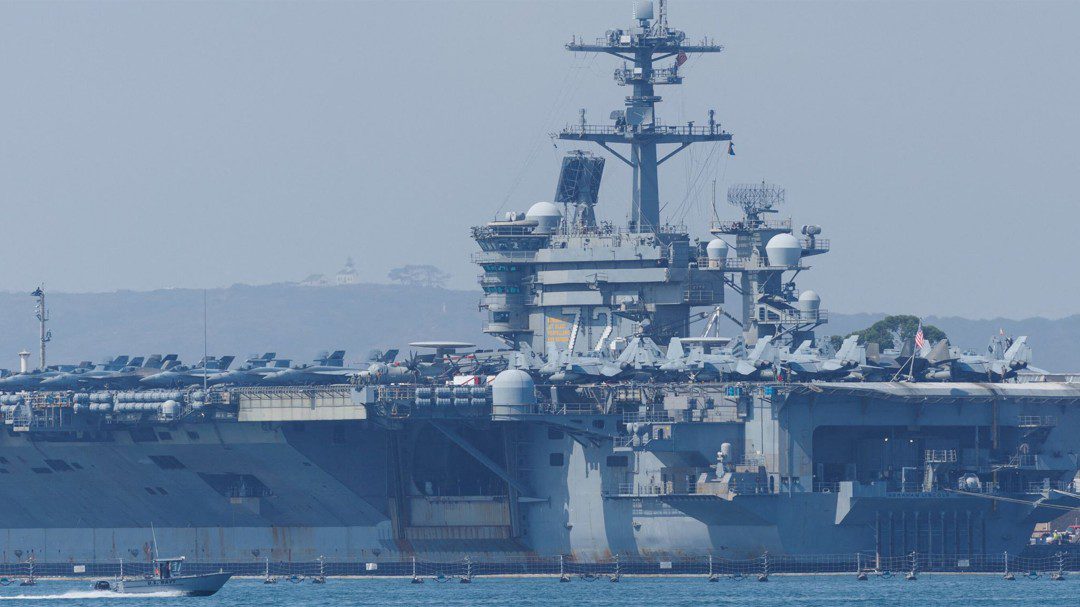
The danger lies in the potential for miscalculation. With troops, planes, and ships operating so close to each other, even a small incident could spiral into a larger confrontation. Analysts warn that the absence of strong diplomatic channels between NATO and Russia increases this risk.
Global Implications
Beyond Europe, these tensions could affect the global balance of power. If NATO and Russia become locked in a prolonged standoff, countries in Asia, Africa, and Latin America may be forced to take sides in what resembles a renewed Cold War. Energy markets are also at risk, as Europe still depends on some Russian energy supplies.
The Road Ahead
To avoid escalation, experts suggest reopening direct communication between NATO and Russian military leaders. Confidence-building measures, such as limiting troop deployments near borders, could reduce risks. However, with trust at its lowest point in decades, progress will be difficult.
Conclusion
The NATO–Russia standoff in Eastern Europe highlights the fragility of European security. Unless diplomacy prevails, the continent could slide into a new Cold War, with global consequences. For now, the world watches as military drills continue, hoping that words do not turn into weapons. Read More:Martindox

Your article helped me a lot, is there any more related content? Thanks!